
The Competitive Edge of Installing Solar EV Charging Stations
Solar Powered Electric Car Chargers in New England & Beyond
Electric vehicles are no longer a niche market. As more drivers make the switch, businesses that offer solar-powered EV charging are gaining a clear competitive advantage. At ACE Solar (Alliance Clean Energy), we work with commercial clients to design and install solar energy systems that power more than just buildings. Solar EV charging stations represent one of the most practical and profitable solar investments a business can make today. This post breaks down exactly how they work, who benefits most, and why now is the right time to act.
What Is a Solar EV Charging Station?
A solar EV charging station uses photovoltaic (PV) panels to generate electricity for charging electric vehicles. Depending on the setup, the system can operate independently, connect to an existing on-site solar array, or pair with battery storage to provide power beyond daylight hours.
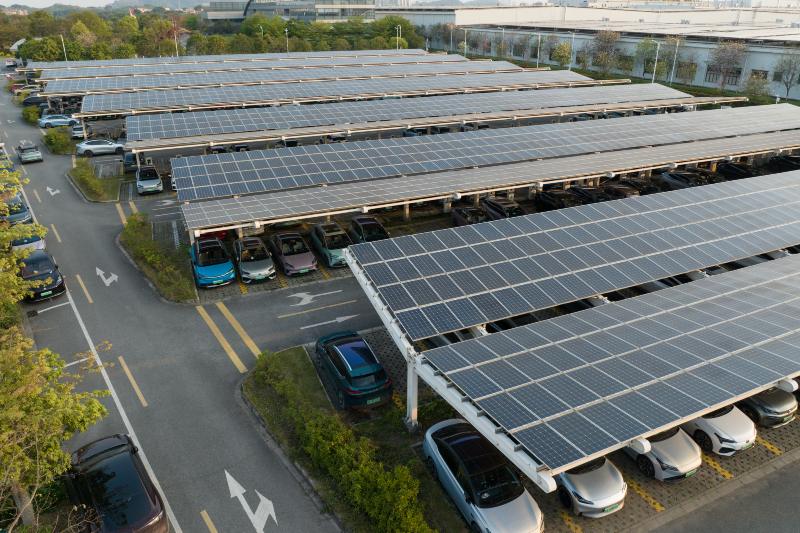
In many commercial applications, solar EV chargers are built into canopies or carports, allowing the panels to serve two purposes at once: producing renewable energy and providing shade for parked vehicles. Compared with traditional chargers that rely entirely on utility power, solar-powered charging stations can reduce grid dependence, lower long-term energy costs, and support broader sustainability goals.
They can also become even more cost-effective when combined with available EV charging incentives, rebates, or tax credits, helping offset installation expenses while maximizing the value of solar-generated power.
Why Businesses Should Invest in Solar EV Charging Stations
The business case for EV solar chargers goes well beyond green credentials. Here is a look at the most compelling reasons to invest:
Reduced Operating Costs
Grid electricity prices are volatile and trending upward. Solar-powered EV chargers lock in predictable, low-cost energy by generating power on-site.
- Businesses can offset charging costs almost entirely with a properly sized solar array
- Battery storage allows businesses to store excess solar energy and use it during peak rate periods
- Lower utility bills improve overall facility operating margins
Attract More Customers
EV drivers actively seek out businesses that offer charging while they shop, dine, or work. Installing solar EV chargers positions your location as a preferred stop.
- Studies show EV drivers spend more time and money at locations with charging available
- Charging amenities are increasingly listed on mapping apps and EV network platforms, driving new foot traffic
- A visible solar canopy signals a commitment to sustainability that resonates with today’s consumers
Generate New Revenue Streams
Solar-powered EV charging does not have to be a free amenity. Businesses can monetize charging stations through:
- Pay-per-use pricing models that generate income directly from the station
- Subscription or membership plans for regular customers or tenants
- Incentive programs that reward charging customers with discounts inside your business
Enhance Employee Satisfaction and Retention
Offering workplace EV charging is a tangible benefit that employees notice and appreciate.
- EV-driving employees save money by charging at work instead of at home
- Charging perks support broader employee wellness and sustainability values
- Companies with green workplace initiatives consistently report higher retention rates among environmentally conscious staff
Reduced Carbon Footprint
A solar-powered electric car charger eliminates the carbon emissions associated with grid-sourced electricity. When solar energy powers the charger, the entire charging cycle becomes close to zero emissions.
- Each solar EV charger installed reduces the environmental cost of transportation
- Businesses can quantify and report avoided emissions as part of corporate sustainability goals
- A strong sustainability record supports ESG reporting and attracts socially conscious investors and partners
Financial Incentives and Rebates for Solar EV Charging
Federal, state, and utility incentive programs significantly reduce the upfront cost of solar-powered EV charging installations.
- The Alternative Fuel Vehicle Refueling Property Credit (Section 30C) provides additional tax credits for EV charging equipment (expiring soon – don’t miss out!)
- Many states and utilities offer rebates and grants specifically for commercial EV charging infrastructure
- Accelerated depreciation under MACRS can further reduce tax liability for qualifying businesses
Who Benefits Most from EV Solar Chargers?
Solar EV charging stations deliver strong returns across a wide range of industries. The businesses that benefit most include:
- Retail centers and shopping malls that need to attract and retain customers for extended visits
- Hotels and hospitality properties looking to serve eco-conscious travelers
- Corporate campuses and office parks that want to offer valued employee benefits
- Multifamily housing developers responding to tenant demand for EV-ready amenities
- Healthcare facilities that prioritize long-term cost control and sustainability
- Municipalities and government agencies working to meet clean transportation targets
Choosing the Right Solar EV Charging Partner
Not all solar contractors have the expertise to design and build commercial EV charging infrastructure. Look for a partner with demonstrated experience across engineering, procurement, and construction (EPC), along with ongoing operations and maintenance (O&M) capability. At ACE Solar, our team has completed over 552 megawatts of installed solar capacity across commercial, industrial, and utility-scale projects. We manage every phase of a project in-house, from site assessment and system design to construction, commissioning, and long-term maintenance. That single-provider model eliminates coordination gaps and keeps your project on schedule.
Start Generating Value from Your Parking Lot
Solar EV charging stations turn underutilized parking areas into revenue-generating, customer-attracting, cost-saving assets. The technology is proven, the incentives are substantial, and the demand from EV drivers continues to grow. The ACE Solar team is ready to help your business evaluate its options, size the right system, and take full advantage of available incentives. Contact us today to schedule a consultation and learn how solar-powered EV charging can work for your business.
Frequently Asked Questions
How does a solar-powered EV charging station work?
A solar-powered EV charging station uses on-site photovoltaic panels to generate electricity. That electricity charges electric vehicles directly or flows through a battery storage system for use when sunlight is not available. The system can also connect to the grid as a backup.
Can a solar EV charger power vehicles on cloudy days?
Solar panels generate electricity even under overcast conditions, though output is reduced. Battery storage systems store surplus energy from sunny periods, making it available on cloudy days or at night.
What types of EV chargers are compatible with solar systems?
Both Level 2 AC chargers and DC fast chargers can integrate with solar-powered EV charging systems. The right charger type depends on your user base, average dwell time, and power availability at the site.
How long does installation take for a commercial solar EV charging station?
Project timelines depend on system size, permitting requirements, and site complexity. Smaller commercial installations may be completed in a few weeks, while larger solar canopy projects can take several months from design to commissioning.

Advantages of Solar Energy in Small Businesses in New England & Beyond
Small businesses across the country are discovering a powerful way to cut…
You have made the right decision and invested in solar panels for your company! Now what?
Maintaining your solar panels is important for optimal…